Buying Guide
Hub Motor vs Mid-Drive E-Bikes: Which Should You Buy?
The real differences between hub-motor and mid-drive e-bikes — cost, hill-climbing, range, maintenance and which type fits your riding.
The Ebike Press Jul 10, 2026 2 min read
Almost every e-bike decision eventually comes down to one question: hub motor or mid-drive? It’s the single biggest factor in how a bike rides, what it costs, and how long it lasts. Here’s how to choose.
The one-sentence version
Hub motors are cheaper and simpler and are great for flat commutes; mid-drive motors climb better, feel more natural, and last longer under load — but cost significantly more.
How they differ
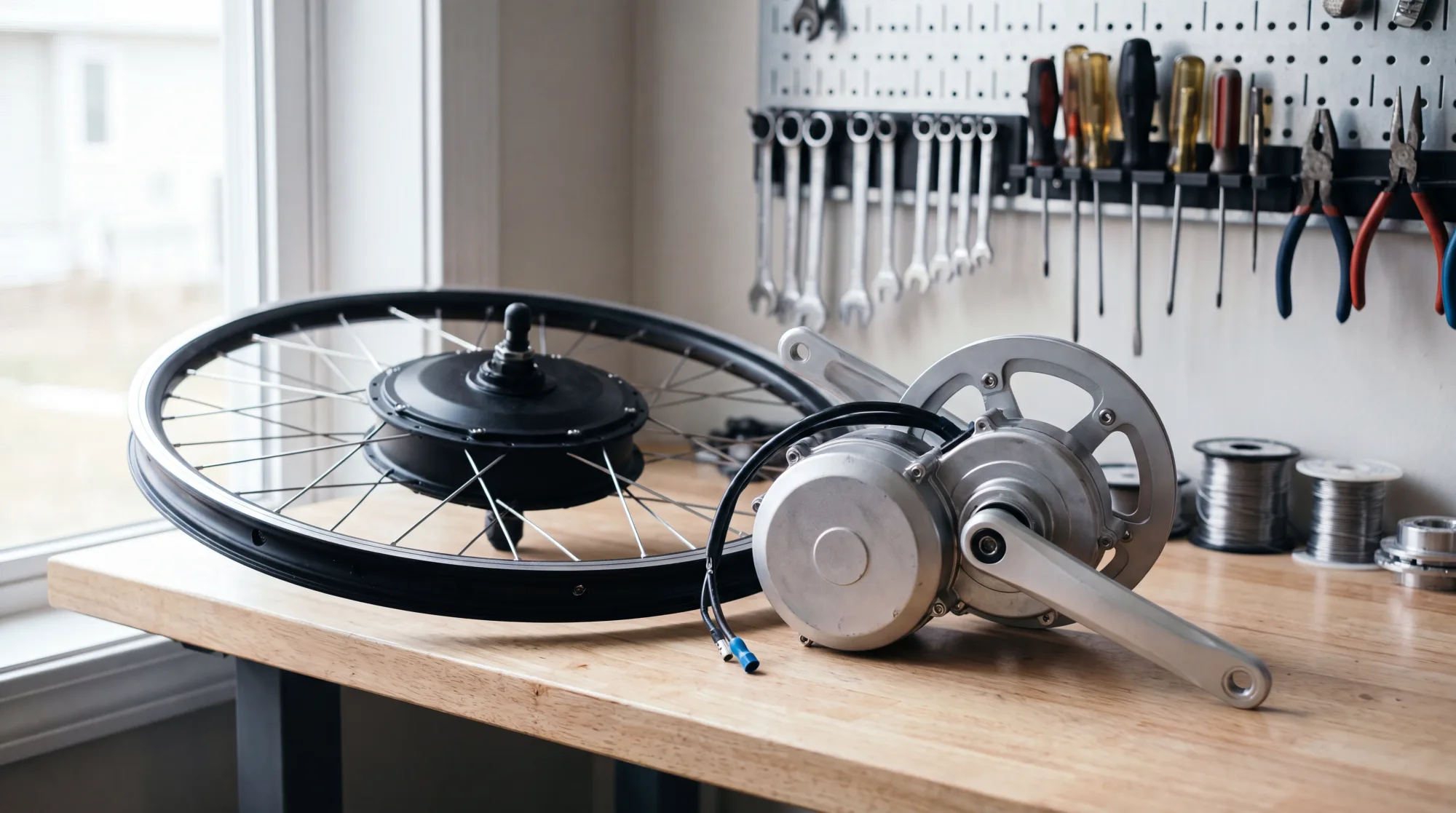
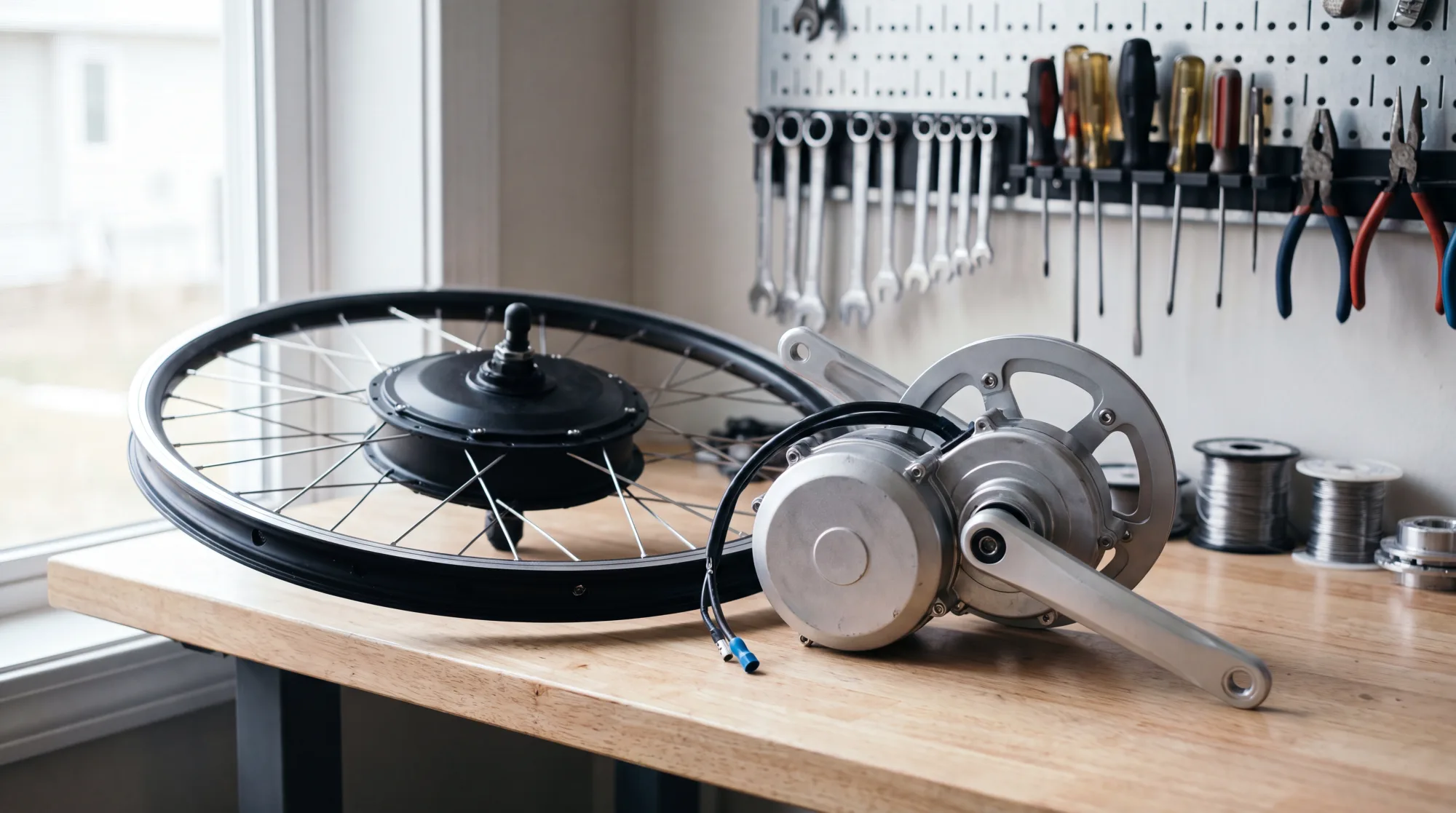
A hub motor sits inside the front or (usually) rear wheel and pushes the bike directly. A mid-drive motor sits at the pedals (the bottom bracket) and drives the chain, so it uses the bike’s gears the same way your legs do.
That difference in placement drives everything else:
| Hub motor | Mid-drive | |
|---|---|---|
| Cost | Lower | Higher (often +$1,500–$3,000) |
| Hill climbing | OK to good | Excellent (uses gears) |
| Natural ride feel | Good with torque sensor | Best |
| Weight distribution | Rear-heavy | Centred, low |
| Maintenance | Simpler; motor isolated from drivetrain | More chain/cassette wear |
| Flat-tire repair | Harder (motor in wheel) | Easier (normal wheel) |
When a hub motor is the right call
Choose a hub-motor e-bike if:
- your commute is mostly flat,
- you want the best price for the features, or
- you value drivetrain simplicity and don’t mind a bit more weight in the rear wheel.
Most budget and mid-range e-bikes — folding bikes, city commuters, and value fat-tire bikes — use hub motors, and modern ones with a torque sensor ride surprisingly naturally.
When to pay up for a mid-drive
Choose a mid-drive if:
- you face real hills or ride loaded (cargo, kids, trailers),
- you want the most natural, bike-like power delivery, or
- you’re buying a name-brand bike you plan to keep for many years.
Nearly all e-mountain bikes and premium commuters (Bosch, Shimano, Specialized, and proprietary systems like Rocky Mountain’s Dyname) are mid-drives for exactly these reasons.
Don’t forget the sensor
Independent of motor type, a torque sensor (measures how hard you pedal) beats a cadence sensor (just detects that you’re pedalling) for ride feel. A good hub motor with a torque sensor can feel better than a cheap mid-drive with a cadence sensor — so check the sensor, not just the motor.
Compare real bikes
Filter the database by category to see which bikes use hub vs mid-drive motors, or read our best commuter e-bikes roundup for specific picks.