Buying Guide
Is an E-Bike Worth It? A 2026 Payback-Math Verdict
Is an e-bike worth it? We weigh the median $2,373 CAD price against printed car and transit cost assumptions to size the real payback.
The Data Desk Jul 11, 2026 7 min read
Quick answer
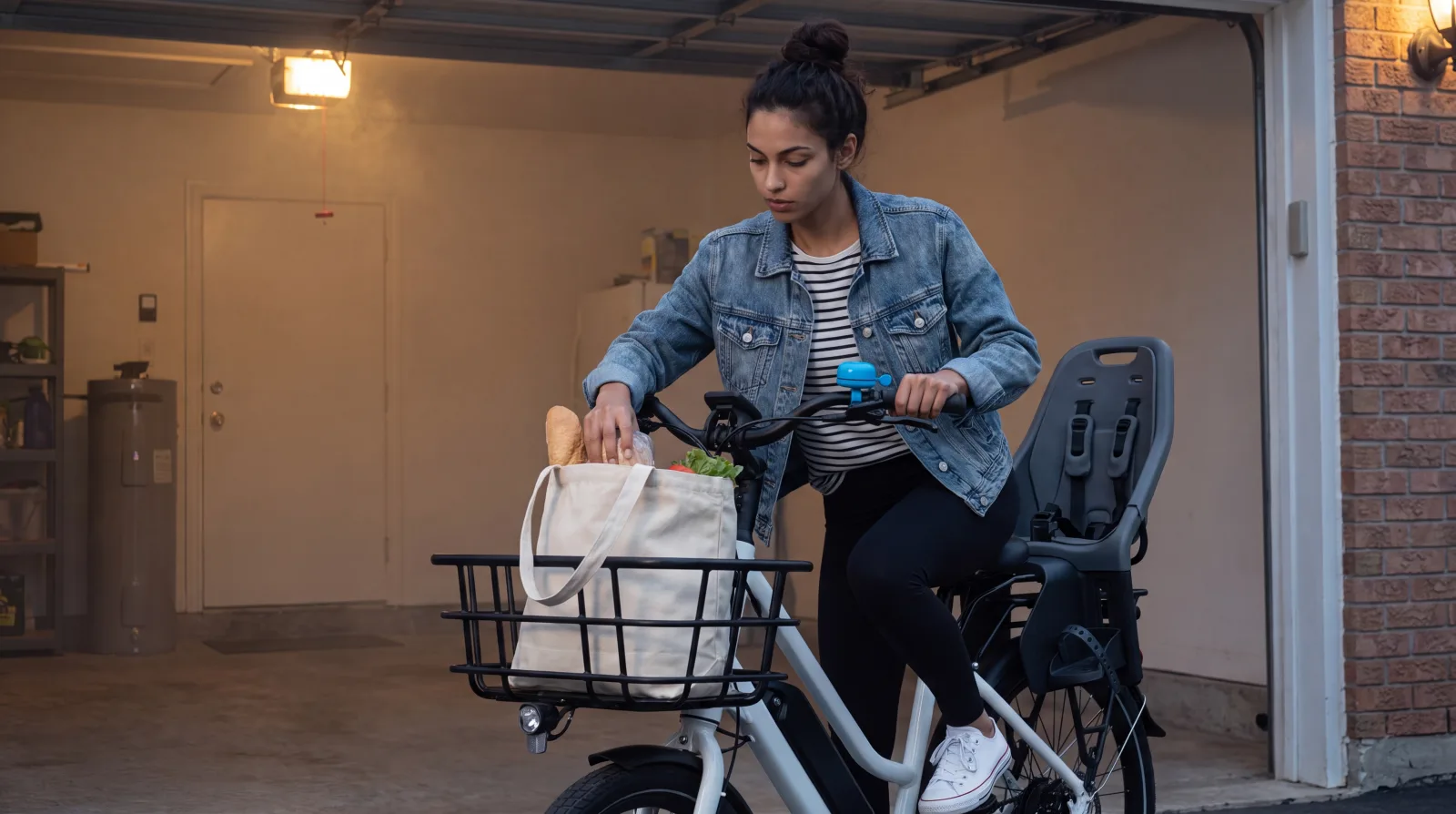
Across 343 catalog models with a live Canadian offer, the median e-bike costs $2,373 CAD. Whether it is worth it depends on what it replaces. Against a $120/month transit pass (our estimate), that median bike recoups its price in about 20 months. Against $100/month of displaced driving (400 km at $0.25/km, operating cost only), payback runs about 24 months. Car commuters who also pay for parking break even faster. Light and weekend riders take years. One blind spot up front: we do not track resale value. Every payback figure here assumes the bike is worth zero at the end.
What a Canadian e-bike actually costs
Price depends heavily on type. Cargo bikes cost the most. Fat-tire imports cost the least.
| Type | Median price (CAD) | Models (n) |
|---|---|---|
| Cargo | $6,399 | 15 |
| Mountain | $5,199 | 29 |
| Trike | $3,599 | 5 |
| Road | $3,449 | 10 |
| Commuter | $2,799 | 139 |
| Folding | $1,800 | 11 |
| Scooter | $1,499 | 26 |
| Dirt / off-road | $999 | 92 |
| Fat-tire | $625 | 16 |
The overall median is $2,373 CAD across 343 models with a Canadian offer. In US dollars, the median is $1,599 across 324 models. Half the Canadian catalog sits between $925 (p25) and $4,049 (p75). You can browse the full spread on the database.
Type explains most of the price gap. If you want the plain-language map of which type fits which trip, start with our types guide.
The payback math: what the median bike has to beat
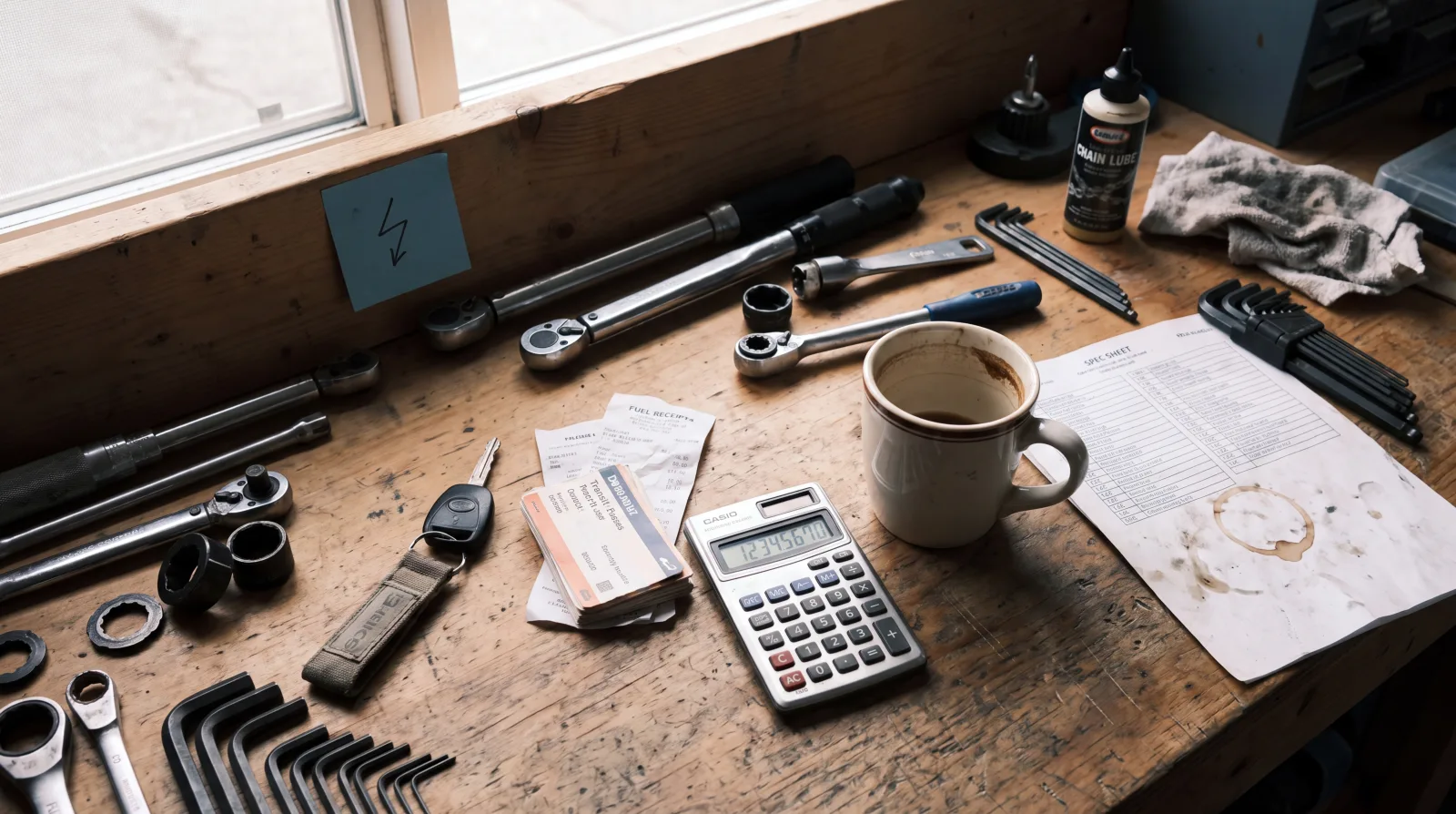
An e-bike is worth the money when it displaces something you already pay for. That means driving, transit, or parking. The numbers below are estimates. We print the assumptions so you can swap your own.
Assumptions used:
- Car operating cost: $0.25 CAD/km (fuel, tires, maintenance). Excludes insurance and depreciation. Estimate.
- Transit pass: $120 CAD/month. Estimate.
- Downtown parking: $150 CAD/month. Estimate.
- Bike cost: $2,373 CAD, the catalog median.
| Scenario (monthly, estimate) | Cost displaced (CAD/mo) | Months to recoup $2,373 |
|---|---|---|
| Swap a monthly transit pass | $120 | ~20 |
| Replace 400 km of driving (operating only) | $100 | ~24 |
| Replace driving plus downtown parking | $250 | ~10 |
| Light / weekend use (240 km) | $60 | ~40 |
Two things bend these results. On the bike side, we ignore charging and maintenance, which are small. On the car side, we ignore insurance and depreciation, which are large. Counting the car’s full cost would shorten every payback. So these months are conservative for anyone truly parking a car.
Where the discounts are
You rarely pay list. Of the 714 live offers we track, 44% are genuine markdowns below the retailer’s own earlier price. The median genuine cut is 20%. The median live offer is $2,099 CAD, or $1,424 USD.
| Market metric | Value |
|---|---|
| Live offers tracked | 714 |
| Share that are genuine markdowns | 44% |
| Median markdown depth | 20% |
| Median live offer | $2,099 CAD |
A verified 20% cut turns a $2,373 median bike into roughly a $1,900 buy, which shifts every payback row forward. See the live market board for what is discounted right now, sort by category on the deal boards, and read The Great Markdown for how we separate a real price drop from a fake one.
Don’t overpay for a spec you won’t use
A big printed range number is the most oversold line on the sticker. Of the 296 models that publish a range claim, the median claim is 126 km. That median runs about 198% above the 20 Wh/km battery-math midline. The median battery is 749 Wh. At that battery size, the realistic assisted figure sits far below the printed 126 km.
The lesson for value: buy for your real trip length, not the headline. Our feature The Range Lie shows the full gap between claim and math.
Power carries a legal caveat too. The median motor is 750 W across the 407 models that publish a rating, and 40% exceed 750 W. Canada’s federal reference is 500 W and 32 km/h. Confirm your bike is road-legal where you ride before you count it as a car replacement. Check your province in the rulebook.
The blind spot: resale value
We do not track resale value. Every payback above assumes the bike is worth zero after you are done with it. In practice a name-brand bike you sell in three years lowers your true cost. Treat these numbers as the worst case on the ownership side.
This page answers the money question only. The feature-by-feature case for an e-bike over a regular bike is a separate read. For that full comparison, start with our electric bike buying guide.
Is it worth it for you?
- Daily car or transit commuter with paid parking: strong yes. Your payback is the fastest on the table.
- Long or hilly commute: yes on comfort. A regular bike loses on the climbs; the assist keeps you riding.
- Occasional or weekend rider: payback stretches past three years. Buy for the enjoyment, not the savings.
- Tight budget: shop the discount board first. A verified median cut of 20% closes much of the gap.
FAQ
Is an e-bike worth it if I already own a car?
Often yes, if you swap real driving for riding. Replacing 400 km of driving a month at $0.25/km (our estimate, operating cost only) saves about $100 monthly. Against the $2,373 CAD median bike, that is roughly 24 months to break even. Add downtown parking and it drops toward 10 months. The bike does not have to replace the car fully. It only has to cover the trips where riding is easy.
How long until an e-bike pays for itself?
It depends on what it displaces. Against a $120/month transit pass (estimate), the median $2,373 CAD bike recoups in about 20 months. Against $100/month of displaced driving, about 24 months. Against driving plus $150/month parking, about 10 months. Light riders who cover only $60/month take closer to 40 months. These figures assume zero resale value, so real payback is usually a bit faster.
Is a cheap e-bike worth it?
It can be, if the spec matches your trip. The cheapest catalog types are fat-tire (median $625 CAD, n=16) and dirt/off-road (median $999 CAD, n=92). Both skew toward recreation, not daily commuting. For a reliable city rider, the commuter type sits at a $2,799 CAD median across 139 models. Below that price, check the offer is real, not a fake markdown, and confirm the bike is road-legal for your province.
Does an e-bike hold its value?
We do not track resale value, so we will not print a number we cannot stand behind. That is a genuine blind spot. Because of it, every payback figure on this page assumes the bike is worth zero at the end. If you buy a name-brand model and resell it later, your true cost is lower than these estimates. Budget as if resale is zero, then treat any resale as a bonus.
Is an e-bike worth it for a short commute?
For pure dollars, a short commute pays back slowly. Fewer kilometres displaced means smaller monthly savings and a longer break-even, often past three years. The case shifts if you also drop a transit pass or a parking spot. On a short commute, most of the value is time and effort, not cash. Judge it on whether you will actually ride daily, not on the payback table alone.
The bottom line
An e-bike is worth the money when it replaces a paid trip you take often. If you drive or ride transit daily and pay for parking, the median $2,373 CAD bike breaks even inside a year on our estimates. If you ride for fun on weekends, buy it for the enjoyment and expect payback past three years.
Before you buy, do three checks. Confirm the type and range match your real trip length, not the headline claim. Confirm the price is a verified markdown, not a fake one, on the market board. Confirm the motor is road-legal for your province in the rulebook. And remember the resale blind spot: our math counts the bike as worth zero at the end, so your real cost is likely lower. For how the ride itself compares to a pedal bike, see e-bike vs regular bike.